The Impact of Art Walks on City Culture
Art walks are becoming increasingly popular across cities in the U.S., providing not only a platform for local artists but also fostering community interaction and cultural enrichment. This article explores the various ways in which art walks can influence city culture.
Understanding the Basics
Art walks are organized events where galleries, artists, and local businesses collaborate to showcase art in public spaces. According to research, these events can significantly enhance community engagement, with many participants reporting a greater sense of belonging and connection to their neighborhoods. Experts recommend that cities incorporate art walks into their cultural calendars to promote local talent and invigorate urban spaces.

"Art walks not only showcase local talent but also create an opportunity for community members to come together and celebrate their culture."
Social and Economic Benefits
Studies show that art walks often lead to increased foot traffic in local businesses, benefiting the local economy. Here are some of the key benefits:
- Community Engagement: Art walks encourage interactions among residents, artists, and visitors, fostering relationships that strengthen community ties.
- Economic Development: Many businesses report an increase in sales during art walk events, as visitors are drawn to the vibrant atmosphere and unique products.
- Cultural Appreciation: These events provide a platform for diverse forms of artistic expression, allowing communities to appreciate a wide array of cultural perspectives.
How Art Walks Function
The success of an art walk typically relies on strategic planning and collaboration among various stakeholders, including city officials, local artists, and business owners. Here’s how they work:
- Planning: Communities must identify key locations and planned routes that are accessible and appealing to attendees.
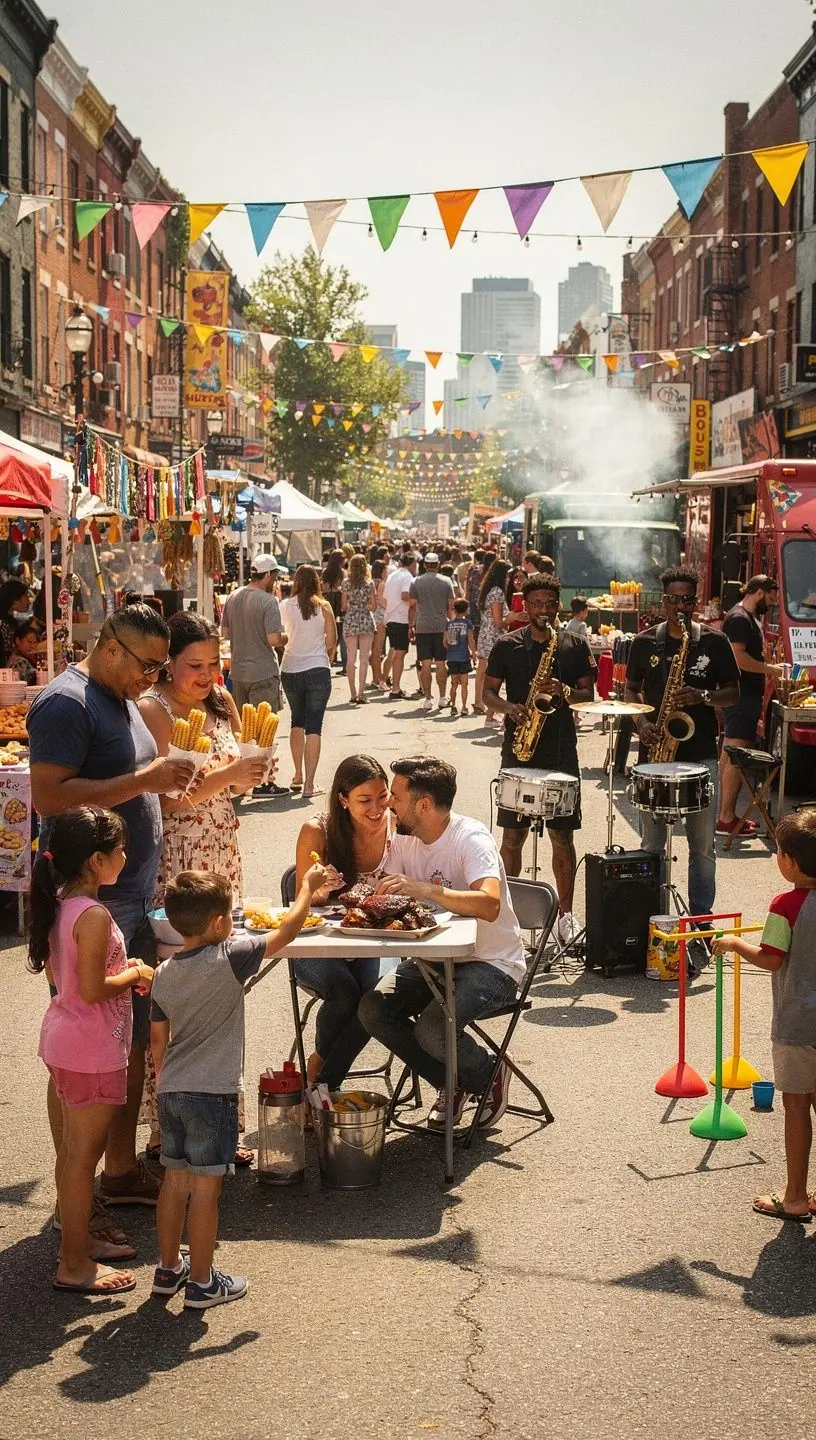
- Collaboration: Local businesses and artists often partner to provide a unique experience, such as live music or interactive installations.
- Promotion: Successful art walks are well-promoted through social media, local newspapers, and community boards to attract a diverse audience.
Acknowledging Limitations
While art walks can be an effective tool for cultural and economic revitalization, they also require considerable time and effort to organize. Typically, planning can take several weeks to months, necessitating collaboration and commitment from various community members. Additionally, art walks may not be suitable for every neighborhood, especially those lacking sufficient infrastructure or interest in artistic endeavors.
Conclusion
Art walks serve as a valuable tool for enhancing city culture by promoting local artists, fostering community interaction, and stimulating economic growth. By understanding the underlying principles and processes that contribute to their success, cities can effectively harness the potential of art walks to create vibrant urban spaces. As research indicates, the benefits often extend beyond the event itself, leaving a lasting impact on the community's cultural landscape.