Understanding the Influence of Street Performers on City Life
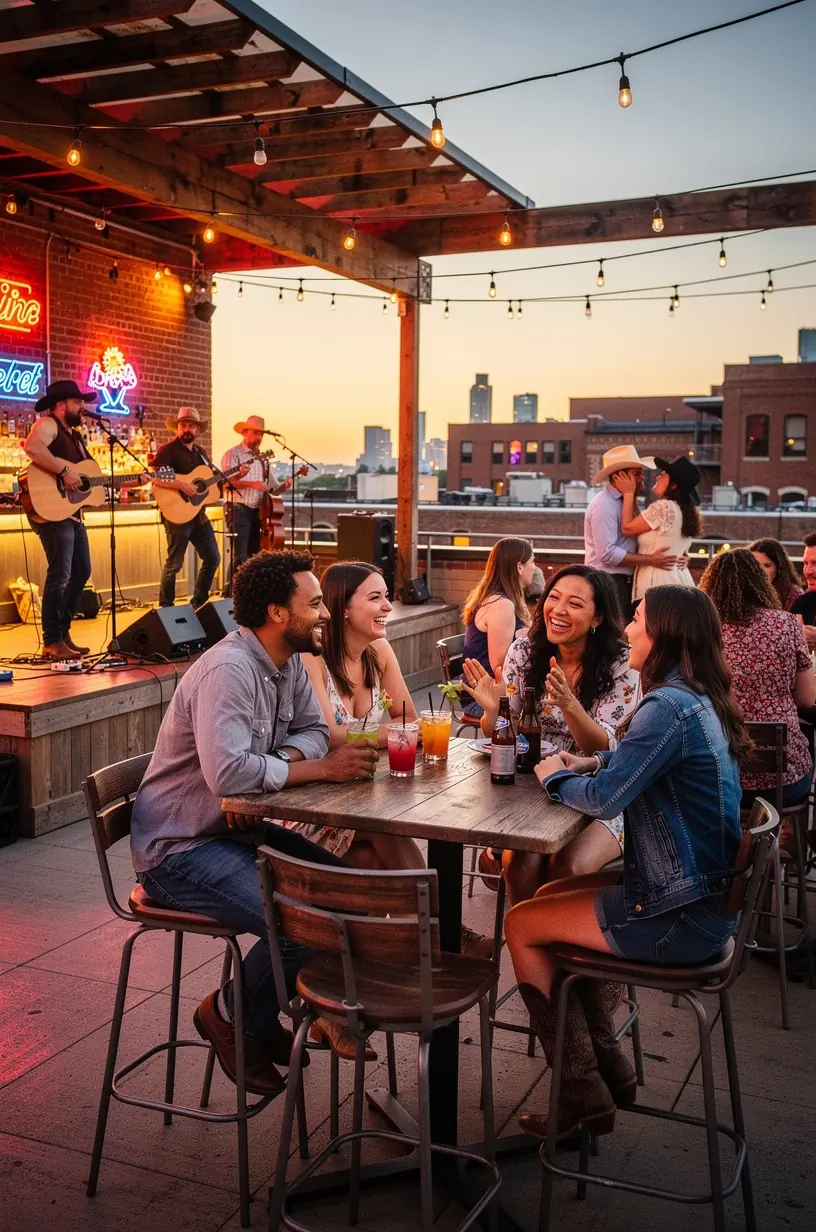
Street performers, also known as buskers, are integral to the cultural fabric of urban areas in the United States. They not only entertain but also foster community spirit and create vibrant public spaces. This article explores the impact of street performers on city life and how they enhance the social interaction landscape.
The Role of Street Performers
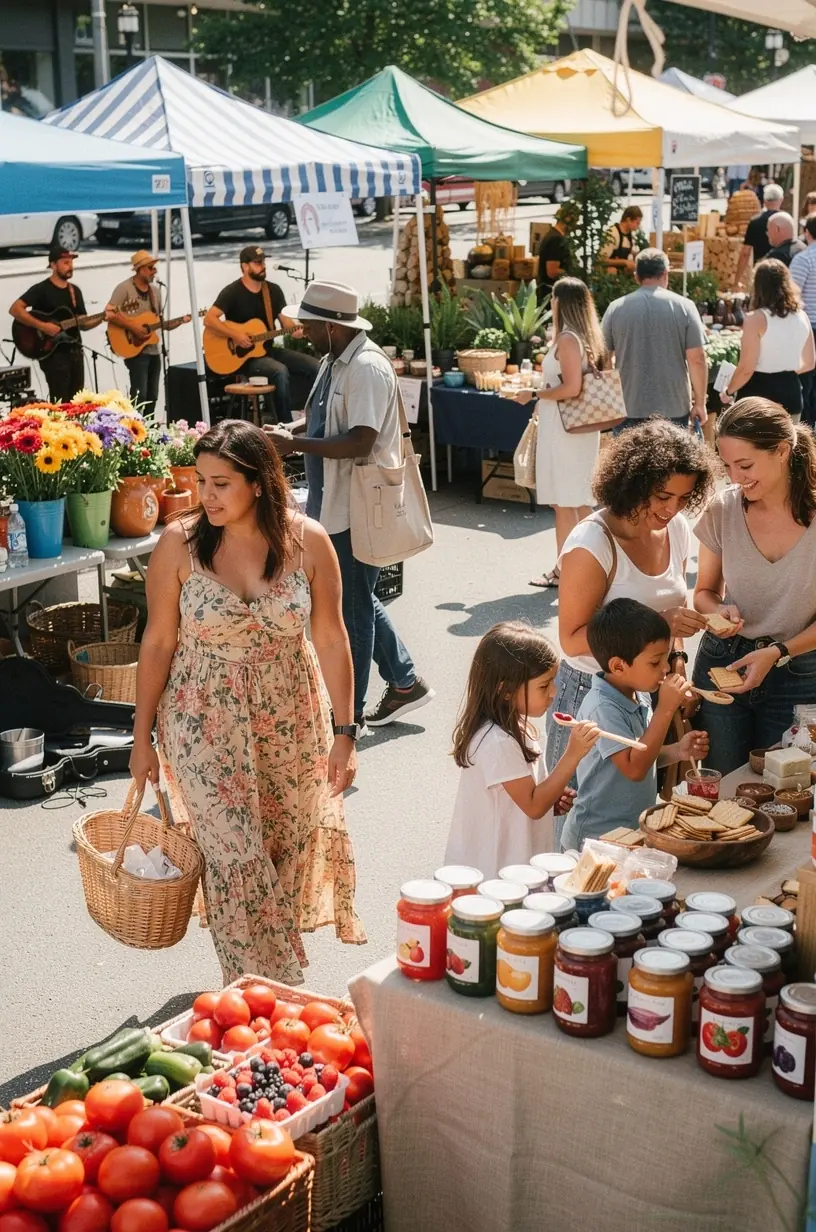
According to urban studies, street performers play a crucial role in transforming ordinary city environments into lively cultural hubs. They often attract crowds, creating opportunities for social interaction among diverse groups of people. This phenomenon is particularly significant in major cities where public spaces can feel impersonal.
"Street performances can serve as a catalyst for social engagement, bringing together individuals from different walks of life." - Urban Sociologist
Benefits of Street Performances
- Enhancing Public Spaces: Performers contribute to a more dynamic and engaging atmosphere in public spaces. Cities with active street performance cultures often see increased foot traffic, which can benefit local businesses.
- Fostering Community Interaction: Many residents report feeling a greater sense of community connection when street performers are present. This is due to the shared experience of enjoying live art, which can break down social barriers.
- Artistic Expression: Street performing allows artists to showcase their talents in an accessible manner, often leading to opportunities for collaboration and artistic growth. According to research, this can inspire local art scenes and encourage cultural diversity.
Challenges Faced by Street Performers
While street performing can be rewarding, it also comes with challenges. Many performers face legal regulations, varying from city to city, which can limit their ability to perform freely. Additionally, the unpredictable nature of outdoor performances means that income can be inconsistent. Experts suggest that aspiring street performers should:
- Research local laws regarding street performances to ensure compliance.
- Diversify their performance repertoire to appeal to a broader audience.
- Engage with local communities to build a supportive network and audience base.
How Street Performers Influence Local Culture
Studies indicate that street performances can reflect and shape local culture. They often address contemporary social issues or celebrate local traditions, making them relevant to the communities in which they perform. This not only enriches the city's cultural landscape but also fosters a sense of identity among residents.
Conclusion
Street performers are more than just entertainers; they are vital contributors to urban life in the U.S. By enhancing public spaces, fostering community interaction, and reflecting local culture, street performers help create vibrant cities. While challenges exist, the benefits often outweigh the drawbacks, making street performing a worthwhile pursuit for artists and a valuable asset for urban areas. As cities continue to evolve, embracing and supporting street performers can lead to enriched urban experiences for all.