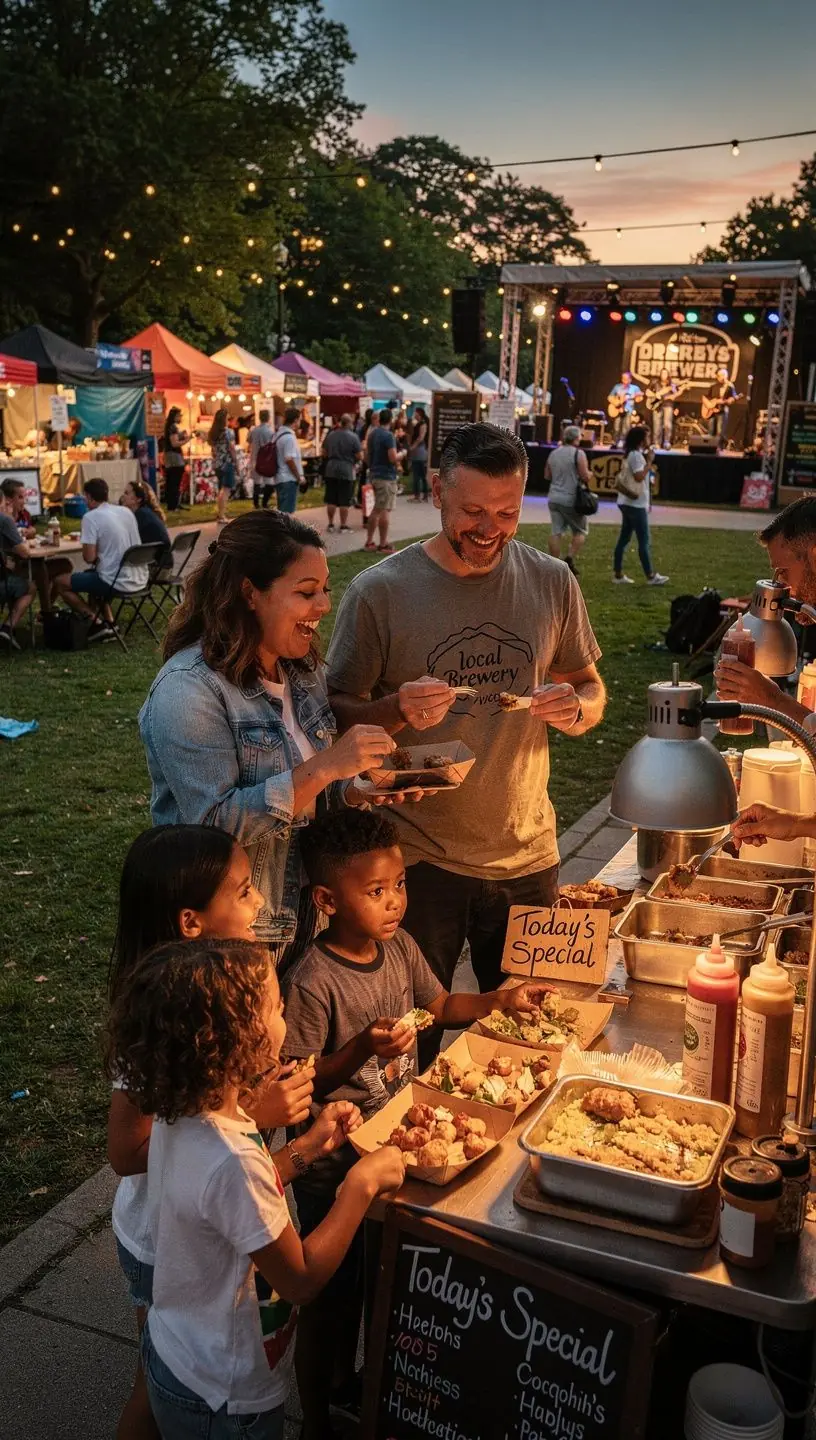
Practical Guide to Planning a Neighborhood Block Party
Planning a neighborhood block party can foster community spirit and strengthen social bonds. However, organizing such an event requires thoughtful planning and coordination. This practical guide aims to help you navigate the essential steps needed to successfully host a block party.
Understanding the Basics
According to community engagement research, neighborhood block parties can significantly enhance social interaction among residents. These gatherings typically promote a sense of belonging and can lead to improved safety in the area. Experts suggest that such events often help residents connect, share resources, and build lasting friendships.

"Community gatherings like block parties can transform neighborhoods, making them more cohesive and supportive." – Community Development Expert
Steps to Plan Your Block Party
Organizing a successful block party involves several crucial steps:
- Gather Support: Start by discussing the idea with your neighbors. Many neighborhoods find that creating a small planning committee can help distribute responsibilities effectively.
- Choose a Date: Select a date that works for the majority. Weekends are generally preferable, but it's essential to consider local events or holidays that might clash.
- Obtain Permits: Check with your local government regarding any permits needed to close streets or host public events. Research indicates that failing to obtain necessary permits can lead to fines or event cancellations.
- Plan Activities: Include a variety of activities to cater to different age groups. Consider games for children, cooking contests, or even a talent show. Engaging activities can enhance participation and overall enjoyment.
- Promote the Event: Use flyers, social media, and neighborhood apps to spread the word. The more residents that know about the event, the higher the turnout is likely to be.
- Organize Logistics: Plan for seating, food, and entertainment. Many successful block parties involve potluck-style meals, where everyone brings a dish to share. This approach often fosters community involvement and reduces costs.
Tips for a Successful Event
- Consider safety measures, such as first aid kits, and ensure that children are supervised during activities.
- Have a backup plan for inclement weather, such as an indoor location or rescheduling options.
- Encourage neighbors to contribute ideas for activities or food to foster a collaborative environment.
Conclusion
Hosting a neighborhood block party can be a rewarding endeavor that strengthens community ties. While organizing the event typically requires effort and time – often spanning a few weeks for planning – the benefits of enhanced social interactions and neighborhood camaraderie can be significant. By following these guidelines and acknowledging the necessary steps, you can create a memorable event that brings your community closer together.
Learn More